AT A GLANCE
Jasmine meaning at a glance
What does Jasmine symbolize?
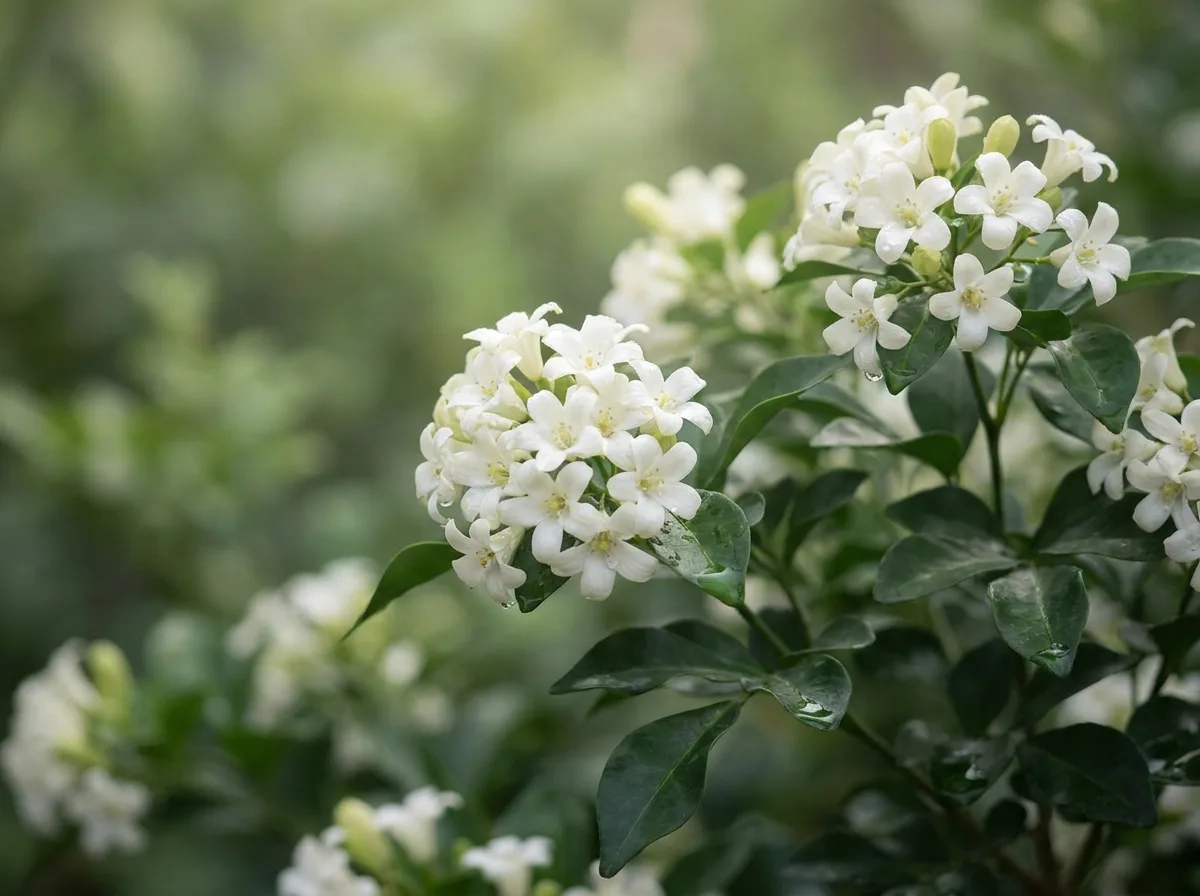
Jasmine is valued for its fragrance and delicate appearance. In many traditions it is connected with love, beauty, hospitality and positive emotional energy.
Flower symbolism can vary by culture, historical period and color. LeoFlora presents common modern and traditional associations while recognizing that meanings are not always universal.
Jasmine meaning by color
Purity, sincerity and graceful affection
Warmth and understated elegance
Joy and positive energy
Growth and natural harmony
Jasmine meaning in love
Jasmine can symbolize warm affection and romantic attraction, especially in cultures where its fragrance is strongly connected with love and celebration.
Jasmine meaning in friendship
Its gentle fragrance and graceful appearance also make jasmine suitable for thoughtful friendship and appreciation gifts.
When should you give Jasmine?
Weddings, anniversaries, romantic gifts, welcoming gestures, celebrations and meaningful personal occasions.
Make your flower gift more meaningful.
Use LeoFlora's interactive tools to choose a flower, create a message and explore botanical inspiration.
How to interpret Jasmine symbolism
Flower meanings are best understood as symbolic traditions rather than fixed definitions. The message of a jasmine can change depending on its color, the occasion, local traditions and the relationship between the giver and recipient.
When choosing jasmine as a gift, consider both its commonly recognized symbolism and the personal meaning it may have for the person receiving it.
Frequently asked questions
What is the main meaning of Jasmine?
Jasmine is commonly associated with love, beauty, purity and a warm, uplifting presence.
Does the color of Jasmine change its meaning?
Yes. Different flower colors may communicate different emotions, so color is an important part of the overall message.
Is Jasmine suitable as a gift?
Yes. The most suitable occasion depends on the flower color, relationship and message you want to communicate.